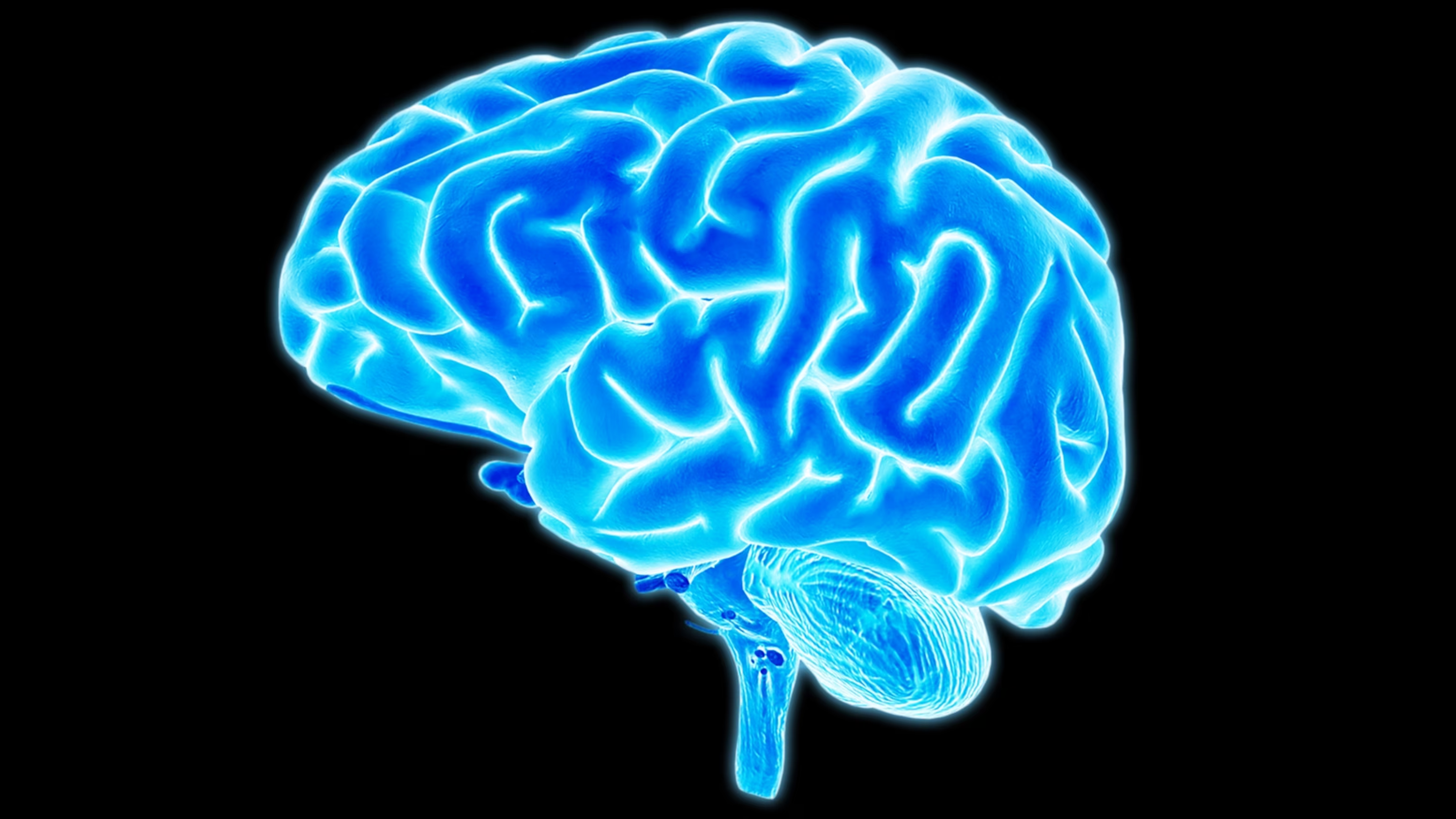
Brain
The brain is the central organ of the human nervous system, responsible for overseeing and regulating most bodily functions, as well as facilitating cognition, emotions, memory, and behavior. Encased in the skull, it is composed of billions of neurons and glial cells, which work together to process information and execute complex functions. Understanding the structure, functions, and potential disorders of the brain is essential for appreciating its role in health and disease. The largest part of the brain, divided into two hemispheres (left and right), each controlling the opposite side of the body. Involved in executive functions, decision-making, problem-solving, planning, voluntary movement, and speech production. Avoiding substance abuse and managing chronic health conditions to reduce the risk of brain damage. Regular check-ups and early intervention for neurological symptoms or conditions can help manage and treat brain disorders effectively.