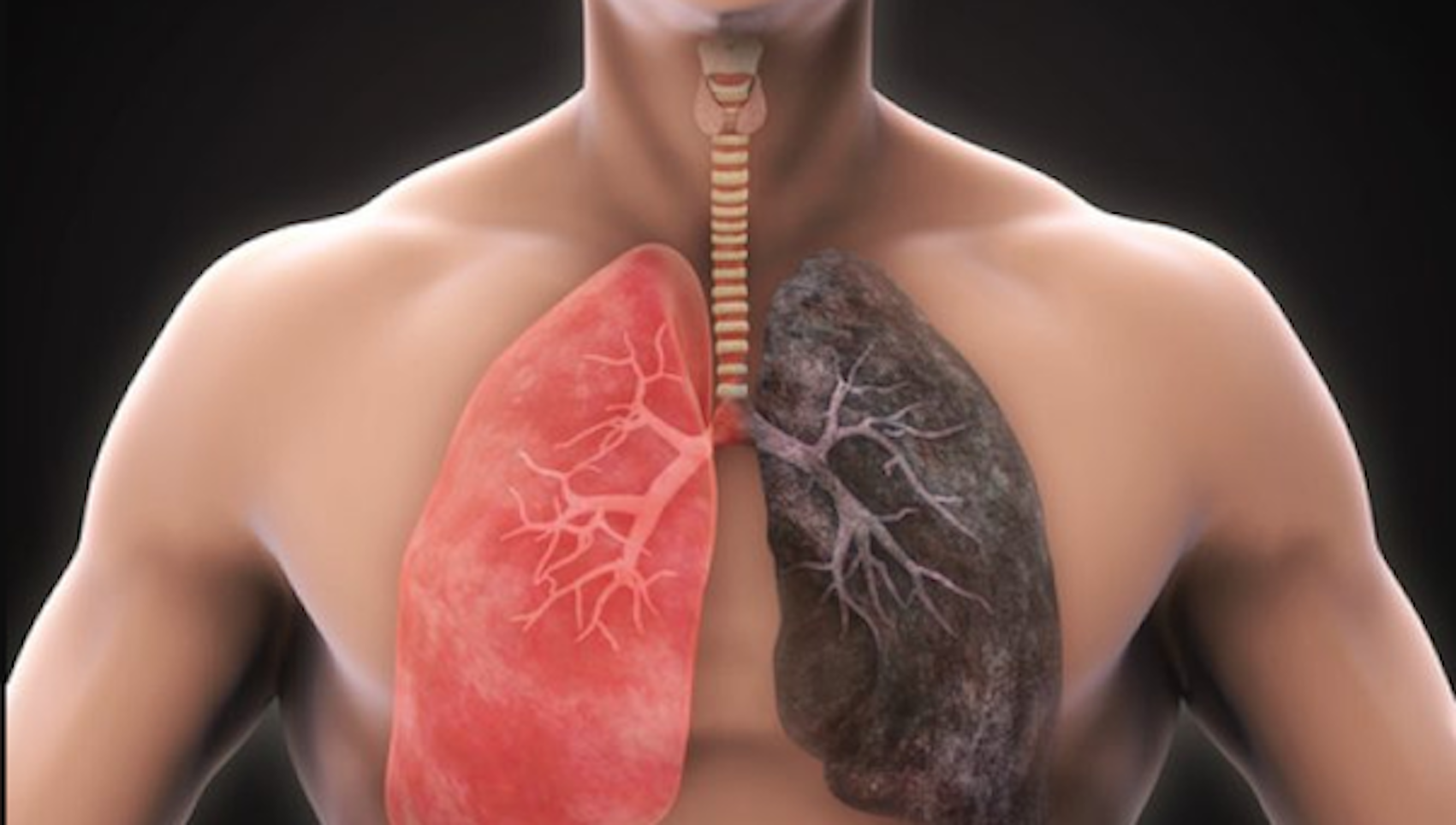
Lung Disease
Lung disease refers to a variety of conditions affecting the lungs, including infections, inflammatory disorders, obstructive diseases, and structural abnormalities. These conditions can impair lung function, leading to symptoms such as coughing, shortness of breath, wheezing, chest pain, and fatigue. Understanding the causes, symptoms, diagnosis, and treatment of lung disease is crucial for effective management and prevention of complications. Understanding the causes, symptoms, diagnosis, and treatment of lung disease is essential for promoting respiratory health, preventing complications, and improving quality of life for individuals affected by these conditions. Eat a balanced diet, engage in regular physical activity, manage stress, and get adequate rest to support overall health and immune function. Early detection, prompt medical intervention, and adherence to treatment plans can help manage symptoms, slow disease progression, and optimize outcomes for patients with lung disease.